Outsource Website Development: Pricing, Timelines & Hidden Costs (2026 Guide)
Have you ever received a “quick” budget for a website that started talking about $3,000 and somehow ended up at $11,000 on launch day? You are not alone. Companies outsourcing the development of their websites often face the challenge of huge discrepancies between the proposed budget in the proposal and the actual cost of the website. Ambiguities in the project description, additional costs for plugins, and “one more revision,” can greatly increase the final cost of website development for even the most experienced entrepreneurs.
I have seen too many cases where my clients have budgeted $5,000 for a simple website project and ended up paying twice as much because no one explained everything to the end. This article covers information about the hidden costs of Outsource Website Development and will help understand how much time and money it takes to create a website in 2026.
Table of Contents
Why US Businesses Outsource Website Development in 2026
While developing the website internally may seem like a good idea, the costs of such a decision might appear to be significantly high.
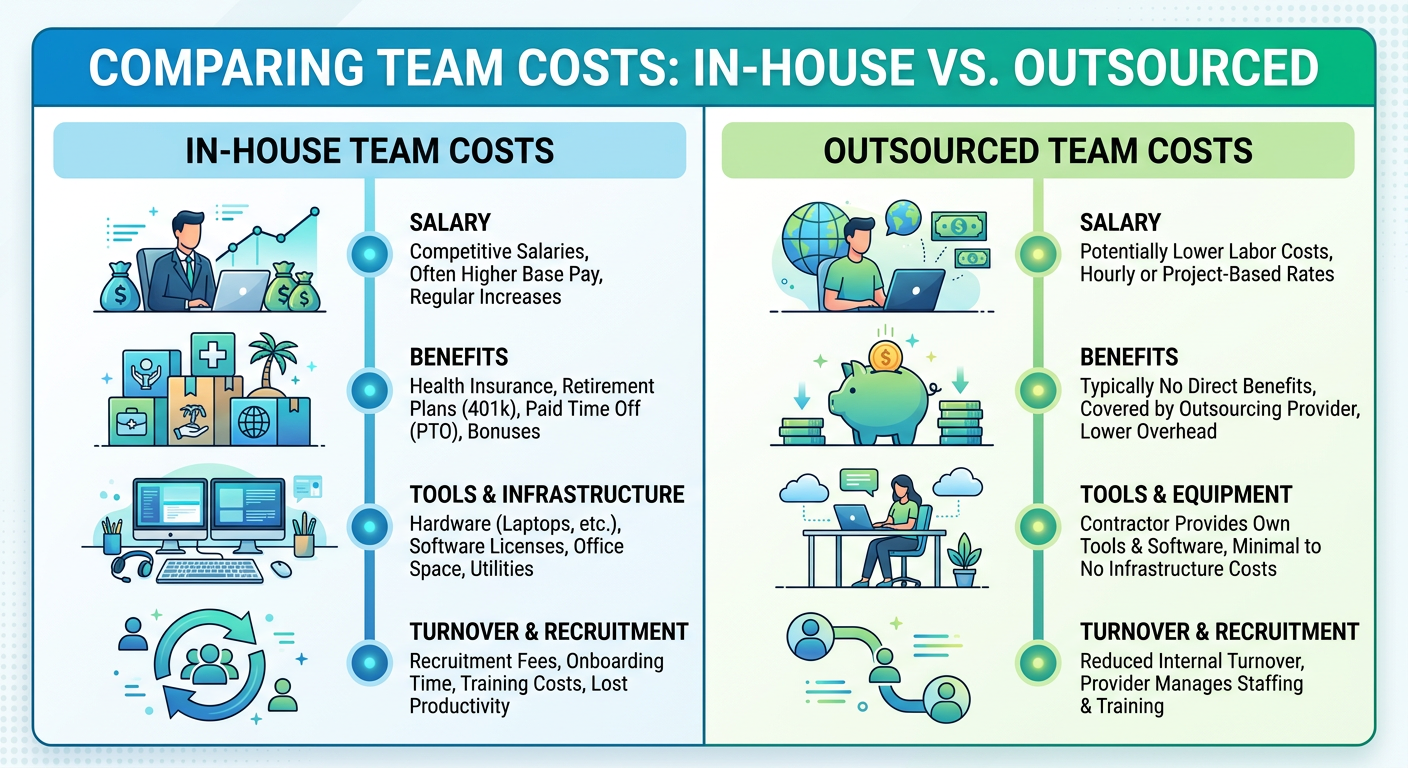
The Talent Gap vs. In-House Hiring Costs
According to the Bureau of Labor Statistics, the average salary of a full-stack developer in the U.S. is over $110000 per year. Similar rates can be observed for a designer, project manager, and quality assurance specialist. In most cases, small and medium-sized businesses are not able to afford such expenses due to the absence of stable year-round revenue. Therefore, outsourcing can be a viable alternative that allows to reduce the overall cost to a fraction of the aforementioned figures.
Speed-to-Market Advantage
Finally, an external party that specializes in creating websites will inherently have faster development cycles. After working on hundreds of similar projects, their process will be highly optimized to address all common issues during the initial stages of development. As a result, an outsourced team will produce a minimum viable product significantly faster than an in-house solution. Such speed is critical for many businesses as a competitor’s website might appear in search results before your own is launched.
Outsource Website Development Pricing: What You’ll Actually Pay
Pricing varies wildly depending on who you hire and where they’re based — and this is where most budgeting mistakes start.
Pricing by Region (Onshore, Nearshore, Offshore)
| Region Type | Hourly Rate (USD) | Best For |
|---|---|---|
| Onshore (US-based) | $75–$180/hr | High-touch communication, compliance-heavy industries |
| Nearshore (Latin America) | $35–$70/hr | Overlapping time zones, strong English fluency |
| Offshore (South/Southeast Asia, Eastern Europe) | $18–$45/hr | Budget-conscious projects, longer timelines acceptable |
Nearshore has become especially popular with US companies since 2023 — you get near real-time collaboration without onshore pricing.
Pricing by Project Type
- Landing page or brochure site: $1,500–$6,000
- Business website (5-15 pages, CMS-based): $5,000–$20,000
- E-commerce store: $10,000–$50,000+ depending on catalog size and integrations
- Custom web application or SaaS platform: $30,000–$150,000+
These are broad, real-world ranges — not padded “starting at” numbers designed to lure you in.
Freelancer vs. Agency vs. Dedicated Team
Freelancers: cheapest option, best for simple projects, but highly risky – no guarantees if they disappear halfway through your project
Agencies: more expensive, but include project managers and quality assurance reviewers
Dedicated offshore team: strike a balance between the two, with a dedicated team of offshore professionals, sometimes available through an intermediary, for example Toptal, Upwork Enterprise, or outsourcing agencies
The rule of thumb is the lower the cost the higher the risk to you.
Realistic Timelines: How Long Outsourced Development Really Takes
Whoever promised you a custom website in 48 hours is either working with a template or preying on your ignorance.
Discovery & Planning Phase (1-2 weeks)
This is where the foundation of a successful project is laid, and skipped by desperate agencies that promise unreasonable deadlines.
Design, Development & QA (4-12 weeks)
- Simple sites: 4-6 weeks
- Mid-complexity business sites: 6-10 weeks
- E-commerce or custom apps: 10-20+ weeks
Development timelines stretch when integrations (payment gateways, CRMs, ERP systems) are involved — each one adds testing overhead.
Post-Launch Support (Ongoing)
Launch isn’t the finish line; it’s the starting gun. Bug fixes, browser compatibility checks, and performance tuning typically continue for 30-90 days post-launch under most contracts.
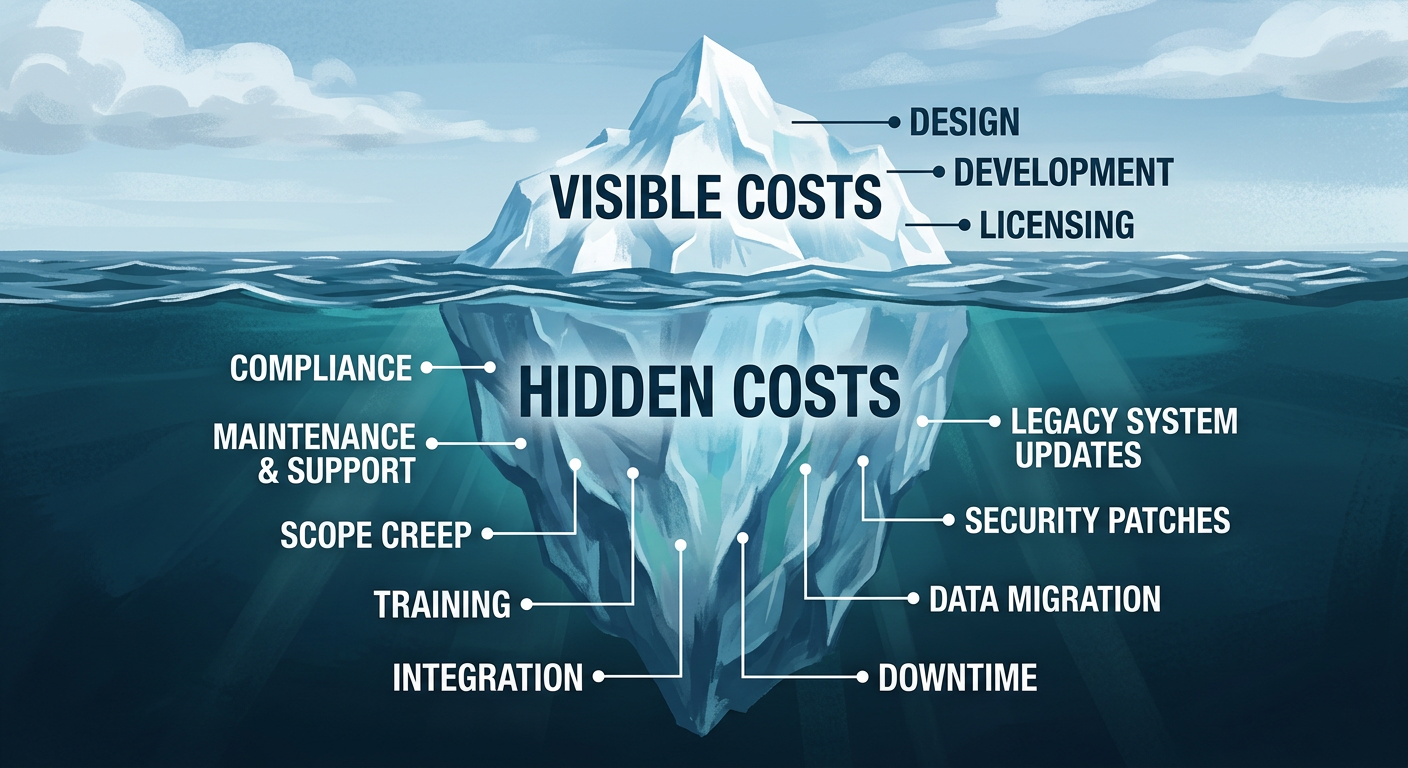
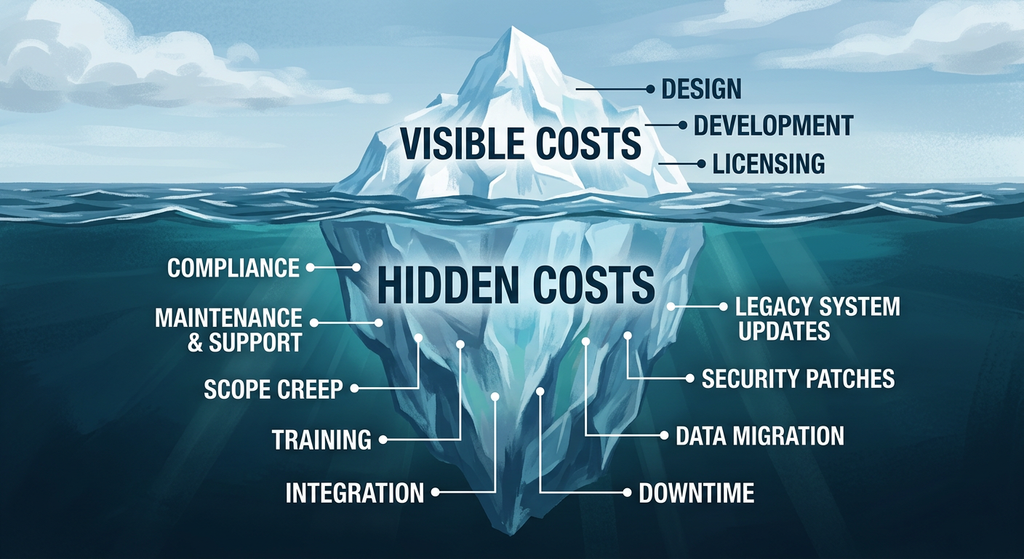
The Hidden Costs Nobody Warns You About
This is the section that separates a smart outsourcing decision from a costly one.
Compliance & Data Security Gaps
If your site collects customer data, processes payments, or operates in regulated industries (healthcare, finance, insurance), you need more than a pretty homepage — you need HIPAA, PCI-DSS, or SOC 2 alignment. Many overseas dev shops simply don’t build with US compliance frameworks in mind, and retrofitting security after launch is far more expensive than building it in from day one.
This is exactly where compliance management software earns its keep. Instead of manually tracking which vendor signed what data-processing agreement, tools built for automated compliance management flag gaps automatically — things like missing SSL configurations, outdated privacy policy links, or unpatched software components. For businesses working with outsourced developers across multiple time zones, a centralized GRC software (Governance, Risk, and Compliance) platform gives you one dashboard to monitor vendor risk instead of chasing status updates over email.
Even lean teams benefit here — compliance software for small business has matured significantly, with platforms like Vanta, Drata, and Secureframe offering affordable tiers specifically for companies too small to hire a dedicated compliance officer but too exposed to skip the process entirely.
Scope Creep and Change Requests
“Can we just add one more feature?” is the phrase that quietly doubles budgets. Most contracts bill change requests at a premium rate once the original scope is signed off. Lock your requirements before development starts — it’s the cheapest insurance policy you’ll ever buy.
Maintenance, Hosting & Third-Party Licenses
- Hosting: $10–$500/month depending on traffic and infrastructure
- SSL certificates, CDN, and backups: often bundled but sometimes billed separately
- Premium plugins/themes: $50–$1,000 one-time or annual fees
- Ongoing maintenance retainer: typically 15-20% of the original build cost, annually
Communication & Time-Zone Overhead
A 12-hour time difference sounds manageable until your “urgent” bug fix waits until tomorrow morning. Factor in project management tooling (Slack, Jira, Asana) and a realistic buffer for async communication delays when setting deadlines.
How to Vet an Outsourcing Partner (A Practical Checklist)
Before signing anything, run through this:
- Ask for 3 references from clients in your industry, not just a portfolio link.
- Request a fixed-scope contract with milestone-based payments, not 100% upfront.
- Confirm data ownership — you should own source code, credentials, and hosting access outright.
- Check their security practices — do they use version control, staging environments, and encrypted data handling?
- Clarify post-launch support terms in writing, including response-time SLAs.
- Verify legal jurisdiction — know where disputes would be resolved if something goes wrong.
Where Compliance Software Fits Into the Outsourcing Equation
Here’s an insight most outsourcing guides miss entirely: outsourcing your website doesn’t just outsource development — it also outsources risk. Every third-party vendor with access to your codebase, customer data, or admin panel becomes part of your compliance footprint.
That’s why more growing businesses are pairing outsourced development projects with lightweight automated compliance management tools from day one. Rather than treating compliance as a post-launch scramble, integrating a GRC platform during the build lets you:
- Track vendor access and permissions in real time
- Automate evidence collection for audits (SOC 2, GDPR, CCPA)
- Flag security misconfigurations before they become breaches
- Maintain an audit trail that satisfies enterprise clients and investors
For a small e-commerce brand, this might mean a $99/month compliance tool. For a healthcare startup outsourcing a patient portal, it’s non-negotiable infrastructure.
Conclusion
Outsourcing your website build can be one of the smartest financial decisions your business makes — if you go in with eyes open. The real cost isn’t the number on the proposal; it’s the sum of pricing tier, realistic timeline, and every hidden fee tucked between the lines. Lock your scope early, vet your partner like you’re hiring a co-founder, and don’t treat compliance as an afterthought — pair your development project with the right compliance management software so security gaps don’t turn into six-figure liabilities later. Get these fundamentals right, and outsourcing stops being a gamble and starts being a genuine growth lever.
Frequently Asked Questions
1. How much should a small business realistically budget to outsource website development?
For a standard 5-15 page business website with a content management system, budget $5,000-$20,000. E-commerce or custom functionality pushes that higher. Always add a 15-20% contingency buffer for unplanned revisions.
2. Is it cheaper to hire a freelancer or an agency for outsourced web development?
Freelancers are cheaper upfront but riskier — there’s no backup if they become unavailable mid-project. Agencies cost more but include project management, QA, and accountability, which often prevents costly delays down the line.
3. What’s the biggest hidden cost people forget when outsourcing website development?
Ongoing maintenance and compliance. Most quotes only cover the build, not the annual hosting, security patching, plugin renewals, and data-protection obligations that follow launch — easily 15-20% of the original cost per year.
4. How long does it typically take to build a website with an outsourced team?
Simple sites take 4-6 weeks, mid-complexity business sites 6-10 weeks, and custom applications or e-commerce platforms can run 10-20+ weeks, depending on integrations and revision cycles.
5. Do I need compliance software if I’m just outsourcing a small business website?
If your site handles customer data, payments, or operates in a regulated industry, yes. Affordable compliance software for small business (like Vanta or Drata) can automate the security checks that manual reviews often miss, protecting you from costly breaches or failed audits later.