
10 Best Tools for Marketing Automation for Small Businesses in 2026 (Tested & Compared)
Running a small business often feels like juggling flaming torches while riding a unicycle — you’re doing sales, customer service, hiring, and somehow also expected to be a marketing genius. Sound familiar? Here’s the good news: you don’t have to do it all manually anymore.
Marketing automation for small business has matured to the point where even a solo founder with zero coding skills can run email campaigns, nurture leads, and personalize customer journeys like a Fortune 500 marketing team.
I’ve worked with all sorts of businesses, from people selling things on Etsy to local heating and cooling companies, and I’ve tried out many automation platforms. Now, I’m going to share with you the top 10 marketing automation tools that are great for small businesses in 2026.
I’ll tell you what’s good about each one, what’s not so good, and how to choose the right tools for Marketing Automation for Small Businesses without spending too much money.

Table of Contents
Why Marketing Automation for Small Business Matters in 2026
What Marketing Automation Actually Does
Marketing automation software is basically a tool that takes care of all the repetitive tasks that marketers have to do every day. You know, things like sending out emails, tagging leads, scoring prospects, and posting updates on social media. It’s like having a personal assistant who works around the clock, never gets tired, and doesn’t expect a paycheck at the end of the month.
This digital helper can save you from having to click thesend button a hundred times a day, freeing you up to focus on more important things. By automating these routine tasks, you can make your marketing efforts more efficient and effective, and even get more done in less time.
Nowadays, tools are way more advanced. They come with features like AI-powered content suggestions, predictive send-time optimization, and behavior-based triggers – for example, sending a discount code the moment someone leaves their cart unfinished.
It’s no longer just about setting things up and forgetting about them – instead, it’s about setting them up, making adjustments as needed, and watching as conversions increase. This new approach is all about refinement and continuous improvement, allowing businesses to get the most out of their tools and strategies. With these smarter tools, companies can optimize their efforts and see real results, making it an exciting time for marketing and sales teams.
The Real ROI: Time, Money, and Sanity
Here’s a number that tends to surprise beginners: businesses using marketing automation frequently see meaningful increases in qualified leads and email-driven revenue compared to manual efforts, according to research consistently published by industry groups like HubSpot’s State of Marketing reports. But the ROI isn’t just financial.
Ask any small business owner what automation gave them back, and most will say the same thing: time. Hours once spent copy-pasting email lists now go toward actually talking to customers or improving the product.
How I Evaluated These Tools (My Methodology)
I didn’t just glance over the landing pages for this list, I actually took the time to thoroughly evaluate each tool, considering various factors to create a comprehensive assessment of what they have to offer.
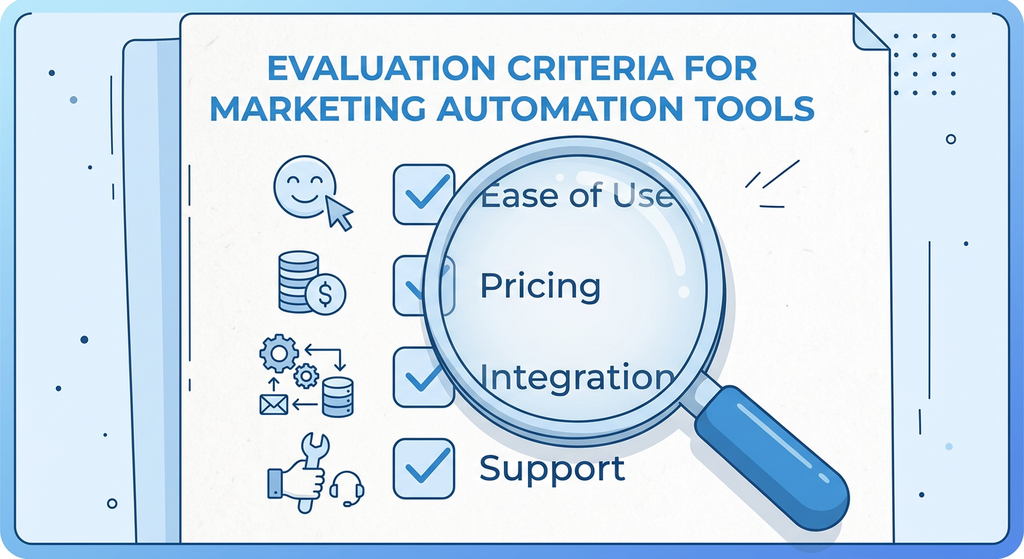
How easy is it to get started with a workflow – can someone who isn’t super tech-savvy get everything up and running in less than an hour?
Pricing transparency for small budgets — Does the free or entry-level tier actually deliver value, or is it a bait-and-switch?
Integration depth — Does it play nicely with Shopify, WordPress, CRM tools, and social platforms?
Customer support quality — Live chat, documentation, and community forums matter more than people admit.
How will your needs change over time – will you outpace your current system in just a few months, or can it adapt and grow with you for years to come?
The prices listed below are just estimates and based on what’s publicly available for2026 – keep in mind that these can change quickly, so it’s always a good idea to check the current rates on each vendor’s website for the most up-to-date information.
Top 10 Marketing Automation Software for Small Businesses in 2026
1. HubSpot Marketing Hub
HubSpot is still the best option for a reason – it offers a free CRM that works perfectly with its marketing automation features, making it a great starting point for those just beginning. The workflow builder is easy to use and understand, and the reporting dashboards are very clear and simple to read, even when compared to other companies in the industry. This makes it a great choice for anyone looking to get started with marketing automation.
2. Mailchimp
Mailchimp made email marketing easy for small businesses. They have a simple editor that you can use to create emails by dragging and dropping things into place. They also have templates to help you get started and automation tools to make your emails work better. This makes it a great choice for people who are new to email marketing and want to get good results without having to learn a lot of complicated stuff.
3. ActiveCampaign
If you want automation that feels genuinely powerful without hiring a developer, ActiveCampaign deserves a serious look. Its automation builder supports conditional logic (if-this-then-that branching), split testing, and CRM-style lead scoring — all wrapped in a reasonably friendly interface.
Best for: Businesses that are ready to move beyond “basic email blasts” Downside: The sheer number of features can overwhelm first-time users
4. Klaviyo
Klaviyo was practically built for e-commerce, particularly Shopify and WooCommerce stores. Its predictive analytics (like estimating customer lifetime value) and deep segmentation based on purchase behavior make it a favorite among online retailers.
Best for: E-commerce brands focused on retention and repeat purchases One drawback is that the cost increases as your list of contacts grows, which can quickly become expensive for businesses that are expanding.
5. Brevo (formerly Sendinblue)
Brevo offers one of the most generous free tiers in the industry, plus SMS marketing baked right in — a nice touch for businesses targeting mobile-first customers. Its transactional email features also make it popular with SaaS startups.
Ideal for companies on a budget that need a single platform to manage both email and SMS communications.
Downside: Some advanced automation templates feel less polished than premium competitors.
6. Keap
Keap (formerly Infusionsoft) blends CRM and marketing automation specifically for service-based small businesses — think consultants, coaches, and local service providers. It handles appointment booking, invoicing, and lead nurturing in one place.
Best for: Service-based businesses juggling sales and marketing together
One drawback is that it comes with a higher initial cost compared to other options that are just entering the market.
7. GetResponse
GetResponse has quietly become a well-rounded all-in-one platform, adding webinar hosting, landing pages, and AI-assisted email creation. It’s a solid middle-ground option between simplicity and power.
Best for: Businesses running webinars or online courses alongside email marketing
One downside is that the interface can be a bit overwhelming, with a lot of features packed into one place, which can make it feel cluttered.
8. Constant Contact
Constant Contact is really popular with local businesses, charities, and people who organize events. They have some great tools for promoting events and posting on social media that are super useful for groups that focus on community stuff.
Best for: Local businesses, nonprofits, and community event marketing
Downside: Automation capabilities are more basic compared to ActiveCampaign or Klaviyo.
9. Omnisend
Omnisend is another e-commerce specialist, offering pre-built automation workflows for cart abandonment, welcome series, and post-purchase upsells — often with a lower learning curve than Klaviyo.
Best for: Small online stores wanting quick-to-launch automation.
One drawback is that it can be a bit limited when it comes to really in-depth reporting for huge catalogs.
10. Zoho Marketing Automation
Zoho offers an impressively affordable suite that integrates tightly with Zoho CRM, Zoho Books, and its broader business software ecosystem — great if you’re already using Zoho for other operations.
Best for: Businesses already inside the Zoho ecosystem wanting unified tools.
Downside: Smaller third-party integration library compared to HubSpot or ActiveCampaign.
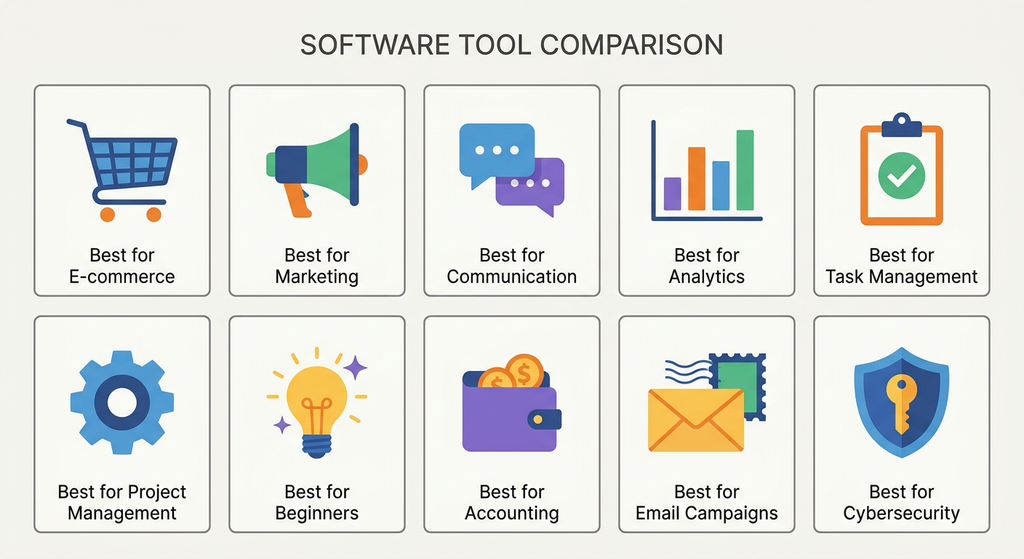
Choosing the Right Marketing automation for small business
Match the Tool to Your Business Stage
A pre-revenue startup doesn’t need the same horsepower as a seven-figure e-commerce brand. If you’re just getting started, prioritize free tiers and simplicity (Mailchimp, Brevo). If you’re scaling and need behavioral targeting, lean toward ActiveCampaign or Klaviyo.
Don’t Ignore the Learning Curve
Here’s an honest truth: the “best” tool on paper is worthless if you never actually use it. I’ve seen businesses pay for premium platforms and let 80% of the features gather dust because nobody had time to learn them. Pick something your team will actually adopt.
Test Before You Commit
Nearly every platform on this list offers a free trial or free tier. Use it. Build one real automation — a welcome email sequence is a great test case — before committing to an annual contract.
Conclusion
Marketing automation for small business isn’t a luxury anymore — it’s quickly becoming table stakes for staying competitive in 2026. Whether you choose HubSpot for its all-in-one power, Mailchimp for beginner-friendly simplicity, or Klaviyo for e-commerce-specific intelligence, the right tool depends on your budget, technical comfort, and business model. Start small, test relentlessly, and scale your automation as your confidence — and customer list — grows.
Frequently Asked Questions
1. What is the cheapest marketing automation tool for small businesses?
Brevo and Mailchimp both offer genuinely usable free tiers, making them among the most budget-friendly starting points. Zoho Marketing Automation also offers low-cost paid plans that punch above their price point for basic automation needs.
2. Do I need coding skills to use marketing automation software?
No. Nearly every platform on this list uses drag-and-drop visual builders designed specifically for non-technical users. Some advanced customizations (like custom code blocks in HubSpot) exist for power users, but they’re entirely optional.
3. How long does it take to see results from marketing automation for small business?
Most businesses notice measurable improvements — like higher open rates or recovered abandoned carts — within the first 30 to 60 days, assuming workflows are set up correctly and tested regularly.
4. Can marketing automation replace a marketing team entirely?
Not really. Automation handles repetitive execution, but strategy, creative direction, and customer relationship nuance still benefit from human oversight, especially for brand voice and complex decision-making.
5. Which tool is best for a small e-commerce store specifically?
Klaviyo and Omnisend are purpose-built for e-commerce, offering pre-made workflows for cart abandonment, post-purchase follow-ups, and customer win-back campaigns that integrate tightly with Shopify and WooCommerce.
For paid advertising services: click here